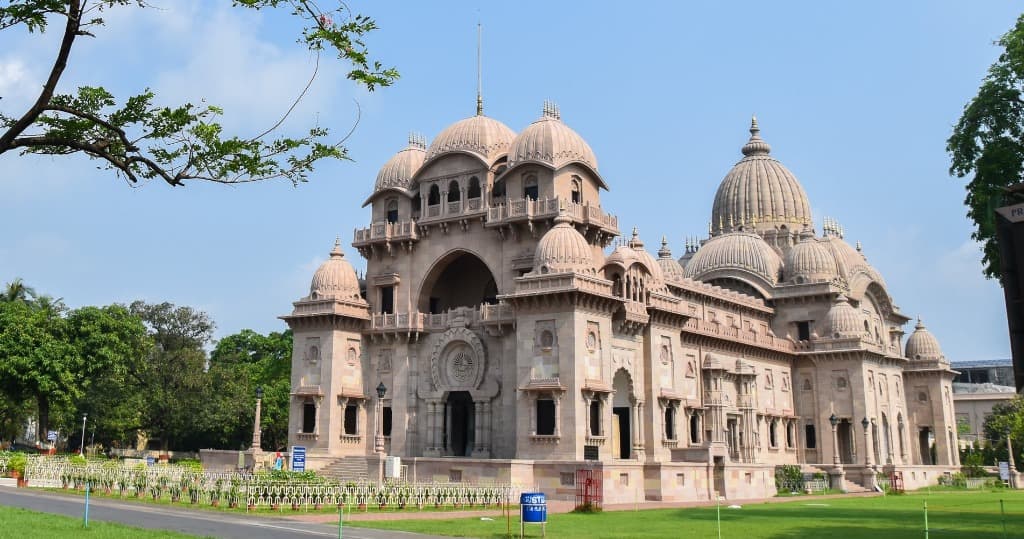
For seasoned spiritual and heritage travelers, the world’s most profound journeys are rarely about leisure—they are about connecting with ancient devotion, sacred architecture, and living spiritual traditions. While India is world-renowned for its timeless temple heritage, rock-cut shrines, and sacred riverbanks, the Caucasus nation of Georgia holds a similarly mystical, millennia-old spiritual legacy that captivates cultural explorers worldwide.
Nestled between the Black Sea and the Greater Caucasus mountains, Georgia became the world’s second country to adopt Christianity as its state religion in 326 AD. Centuries before the grand cathedrals of Western Europe were erected, Georgian monks, hermits, and stone masons were carving sacred cave sanctuaries into sheer volcanic cliffs and building stone basilicas atop dramatic mountain peaks.
However, exploring Georgia’s sacred heritage is far more complex and layered than visiting an ordinary tourist site. To decode the ancient fresco iconography, discover hidden relics, and understand centuries of monastic resilience against foreign empires, having a knowledgeable local day tour guide is essential.
1. Georgia’s Sacred Crossroads: Where Ancient Shrines Meet Mountaintop Monasteries
Georgia’s spiritual landscape is truly unique because it preserves consecutive, intact layers of sacred human history spanning over two millennia:
- Pre-Christian Rock Sanctuaries: Before the arrival of Christianity, early civilizations worshipped at sites like Uplistsikhe, an ancient rock-cut town containing Bronze Age pagan shrines dedicated to the Sun Goddess.
- The Zoroastrian Fire Temple: Tucked into the steep cobblestone lanes of Old Tbilisi stands the Atashgah, an ancient Persian Fire Temple dating back to the 5th century—a rare testament to Georgia's place along the ancient Silk Road.
- Early Christian Monasteries: From the 6th-century Jvari Monastery overlooking the sacred confluence of two rivers in Mtskheta to the David Gareja Cave Monastery carved into semi-desert cliffs, Georgia's monasteries have survived invasions, earthquakes, and empires.
Visiting these sacred grounds without historical and theological context can leave travelers seeing only weathered stones and ruined arches. A qualified local guide brings these ancient stones to life with genuine local storytelling, biblical oral traditions, and architectural secrets.
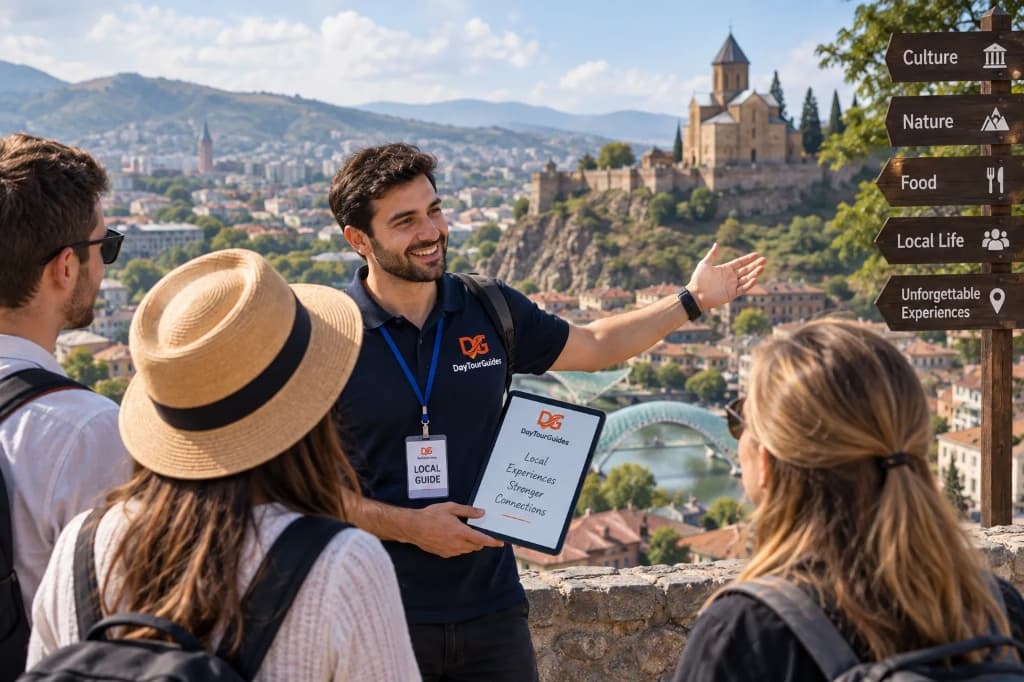
2. Top Spiritual & Heritage Day Excursions from Tbilisi
Nearly all of Georgia's most renowned sacred sites and monastery complexes can be visited comfortably on full-day and half-day excursions departing directly from the capital city, Tbilisi:
A. Mtskheta: The Holy Jerusalem of Georgia
Located just 25 minutes north of Tbilisi, Mtskheta is the spiritual heart of the nation and an honored UNESCO World Heritage site. Here, travelers encounter:
- Svetitskhoveli Cathedral (11th Century): The magnificent architectural crown of Georgia, revered as the burial site of Christ’s seamless robe and the resting place of ancient Georgian Bagrationi kings.
- Jvari Monastery (6th Century): Perched dramatically on a cliff edge where Saint Nino first erected a wooden cross in the 4th century, commanding panoramic views over the confluence of the Aragvi and Mtkvari rivers.
B. Gergeti Trinity Church: Devotion in the Clouds
Standing at 2,170 meters elevation against the awe-inspiring backdrop of Mount Kazbek (5,054m), Gergeti Trinity Church is one of the most photographed and spiritually moving sanctuaries on earth. Built in the 14th century, its isolated alpine location served as a sacred haven for Georgia’s most precious holy relics and the Cross of Saint Nino during times of foreign invasion.
C. David Gareja Cave Monastery Complex
Carved into the arid slopes of Mount Gareja in the 6th century by Saint David Garejeli (one of the celebrated Thirteen Assyrian Fathers), this monastery complex features hundreds of cave cells, refectories, and rock-hewn chapels adorned with unique early medieval frescoes.
D. Bodbe Monastery & Sighnaghi in Kakheti
Nestled among tranquil cypress groves in Georgia’s eastern Kakheti region, Bodbe Monastery holds the tomb of Saint Nino, who first introduced Christianity to the realm. Pilgrims journey here to pray at her shrine and bathe in her miraculous spring.
3. Why Independent Travelers Choose Verified Local Day Tour Guides
Traveling to sacred mountain hermitages, cliffside cave complexes, and centuries-old monasteries involves unique challenges: alpine roads, remote locations, language barriers, and strict sacred protocols. Rather than navigating uncertain transit or dealing with unvetted drivers, international heritage travelers now rely on verified local day tour platforms.
- Navigating Caucasus Mountain Terrains: Remote mountain sanctuaries like Kazbegi and David Gareja require skilled local drivers with reliable 4x4 vehicles accustomed to alpine switchbacks and variable mountain weather.
- Decoding Medieval Fresco Iconography: Georgian Orthodox iconography carries profound theological meaning distinct from Western art. An educated local guide interprets the sacred symbolism inscribed on stone walls.
- Respecting Active Monastic Protocols: Active monasteries enforce strict dress codes, gender-separated seating, and quiet zones. Having a respectful local guide ensures seamless entry without causing unintentional offense.
- Transparent and Fixed Upfront Pricing: Verified online booking eliminates the anxiety of street-side bargaining, surprise fuel surcharges, or unwanted detours to commercial shopping stops.
4. Sacred Etiquette: Checklist for Visiting Georgian Monasteries
To show proper reverence when stepping inside functioning Orthodox monasteries, basilicas, and sacred shrines in Georgia:
- Modest Attire: Both men and women should have their shoulders and knees fully covered. Shorts, tank tops, and sleeveless shirts are strictly prohibited inside monastery precincts.
- Head Coverings & Wrap Skirts for Women: Women are traditionally required to cover their heads with a scarf and wear a skirt below the knee. Most active monasteries provide complimentary wrap-around skirts (aprons) and headscarves at the narthex entrance.
- Photography Restrictions: While monastery courtyards and mountain vistas can be freely photographed, photography is strictly prohibited inside active sanctums, during liturgical services, or near venerated icons. Always ask your local guide before taking photos.
- Beeswax Candle Offerings: Visitors are welcome to purchase small natural beeswax candles at the church desk (narthex) to light before the icons in quiet prayer or respectful contemplation.
- Silence & Reverence: Keep voices to a whisper, silence mobile phones, and avoid walking between a priest and the altar or standing with your back directly turned to open iconostases.
5. Practical Planning: Best Seasons & Tips for Spiritual Pilgrims
Georgia's dramatic topography means seasons can dramatically shape your pilgrimage experience:
- Spring (April to June): Lush green mountain valleys, blooming wildflowers around Mtskheta, and pleasant mild temperatures ideal for walking tours.
- Autumn (September to November): Golden foliage across the Caucasus mountains, grape harvesting (Rtveli) in Kakheti, and crisp clear skies framing Mount Kazbek.
- Summer (July to August): Ideal for high-altitude mountain sanctuaries like Gergeti Trinity Church, though lower-elevation cave cities like Uplistsikhe can be hot during midday.
- Currency & Booking: Georgia uses the Georgian Lari (GEL). While cards are widely accepted in Tbilisi, reserving your day trips in advance online via DayTourGuides.com locks in transparent fixed rates and saves on foreign ATM transaction fees.
6. Conclusion: Connecting Ancient Devotion Across Continents
Whether you are performing a pilgrimage to sacred shrines in India or exploring early Christian cave monasteries in the Caucasus mountains, true spiritual travel is anchored in deep respect for living traditions.
By pairing your journey with a passionate local guide who knows the legends, hidden frescoes, and local culture, you transform a simple sightseeing trip into an unforgettable pilgrimage through human history.